Universal health coverage means that all people have access to the health services they need, when and where they require them, without financial difficulty. It consists of the full series of important health services, from health promo to avoidance, treatment, rehabilitation, and palliative care. Currently, at least half of individuals in the world do not receive the health services they require.
This need to alter. To make health for all a reality, we require: people and neighborhoods who have access to high quality health services so that they look after their own health and the health of their households; knowledgeable health employees supplying quality, people-centred care; and policy-makers devoted to investing in universal health protection.
Health systems are rooted in the neighborhoods they serve. They focus not just on preventing and dealing with disease and disease, however also on helping to improve well-being and lifestyle. what is fsa health care.
Universal healthcare is a system that offers quality medical services to all citizens. The federal government offers it to everybody regardless of their ability to pay. The large expense of offering quality healthcare makes universal health care a large expenditure for governments. Many universal healthcare is moneyed by general earnings taxes or payroll taxes.
However its health delivery system does have particular parts, such as Medicare, Medicaid, and the Department of Veterans Affairs, that supply universal health care to particular populations. Lowers overall healthcare costs: The federal government controls the rates through negotiation and regulation. Decreases administrative expenses: Physicians just deal with one federal government firm.

physicians invest 4 times as much as Canadians handling insurer. Forces medical facilities and physicians to offer the very same requirement of service at a low cost: In a competitive environment like the United States, healthcare providers should also concentrate on profit. They do this by using the cutting edge.
Little Known Facts About Avedis Donabedian Defined Health Care Quality As Having Which Of The Following Components?.
They try to contend by targeting the wealthy. Produces a much healthier labor force: Studies reveal that preventive care minimizes the requirement for pricey emergency clinic usage. Without access to preventive care, 46% of emergency clinic patients went due to the fact that they had no other place to go. They used the emergency clinic as their medical care doctor.
Early childhood care avoids future social expenses: These consist of crime, welfare dependency, and health issues. Health education teaches families how to make healthy way of life options, avoiding persistent illness. Federal governments can enforce regulations and taxes to direct the population towards healthier choices: Laws make unhealthy choices, such as drugs, illegal. Sin taxes, such as those on cigarettes and alcohol, make them more pricey.
The sickest 5% of the population produce 50% of total healthcare costs, while the healthiest 50% just produce 3% of expenses. Individuals have less financial reward to remain healthy: Without a copay, individuals might overuse emergency clinic and medical professionals. There are long wait times for elective procedures: The federal government focuses on offering fundamental and emergency health care.
Health care costs. For example, some Canadian provinces spend nearly 40% of their budgets on health care. with a low likelihood of success. This consists of drugs for unusual conditions and pricey end-of-life care. In the United States, care for patients in the last six years of life comprises one-fourth of the Medicare budget.
Standardizes service. Develops a healthier workforce. Prevents future social expenses. Guides people to make healthier choices. Downsides Healthy people spend for the sickest. People have less financial incentive to remain healthy. Long haul times. Physicians may cut care to decrease costs. Health care expenses overwhelm federal government budget plans. The federal government may limit services that have a low probability of success There are 3 universal health care designs.
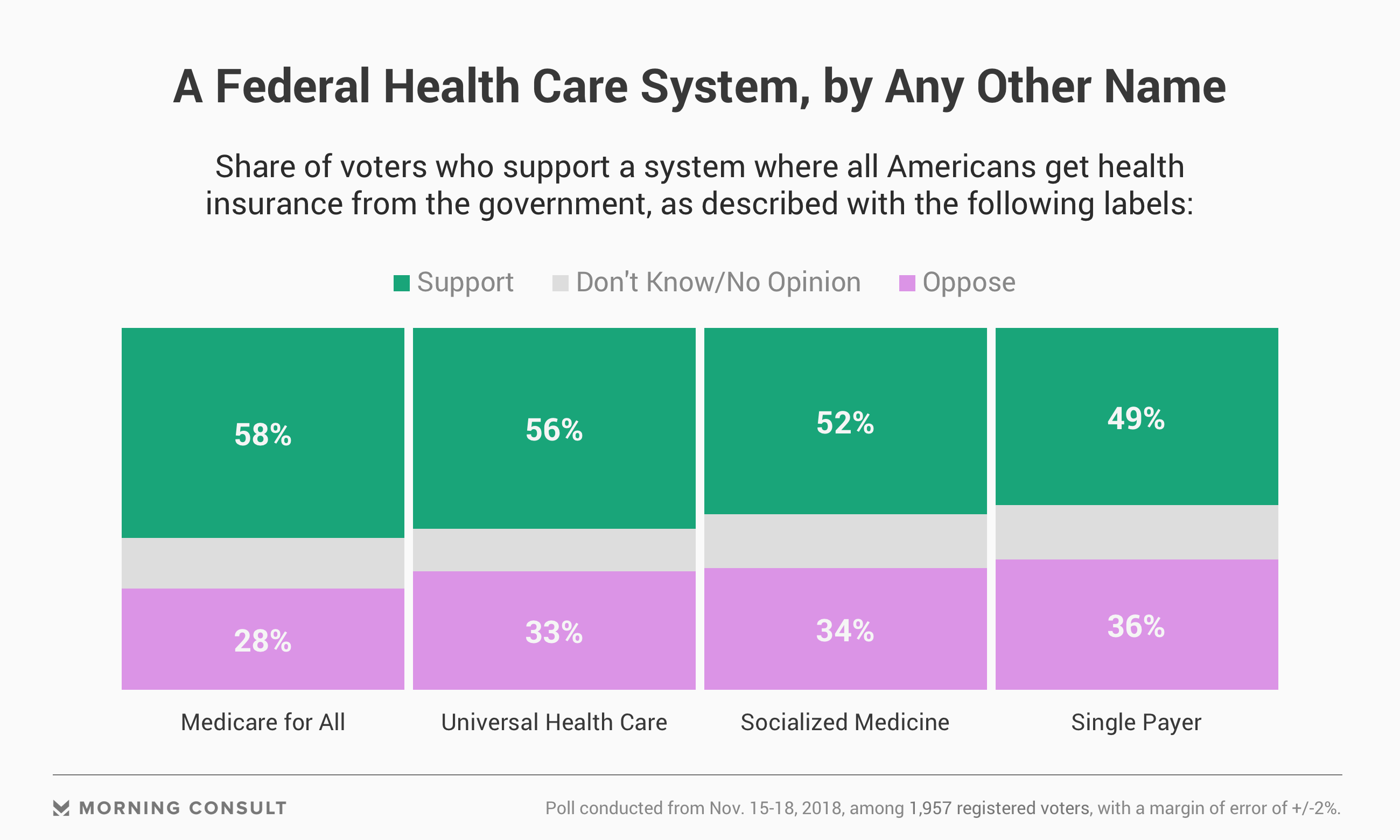
Countries often integrate universal health protection with other systems to introduce competition. These options can reduce costs, expand option, or enhance care. People can likewise select better services with additional private insurance. The United States offers different designs for populations such as the senior, veterans, and low-income people. In a single-payer system, the federal government supplies totally free health care spent for with earnings from earnings taxes.
The Definitive Guide for What Does A Health Care Administration Do
Every resident has the same access to care. This is called the Beveridge Design. When federal governments offer health care, they work to make sure physicians and health centers provide quality care at a sensible expense. They need to collect and examine data. They can also utilize their acquiring power to influence health care service providers.
Other nations consist of Spain, New Zealand, and Cuba. The United States provides it to veterans and military workers with the Department of Veterans Affairs and the armed forces. Countries that utilize a social medical insurance model requires everybody to purchase insurance coverage, usually through their employers. The taxes enter into a government-run health insurance fund that covers everyone.
The government controls health insurance prices. It also has a great deal of clout to control the private-providers' prices. Germany developed this system. France, Belgium, the Netherlands, Japan and Switzerland also utilize it. The U.S. Obamacare system also requires insurance coverage, but there are lots of exemptions. It is also comparable in that it offers subsidies to health insurance coverage companies for low-income enrollees.
Every person pays into the national insurance strategy. Administrative expenses are lower because there is one insurer. The government has a great deal of take advantage of to require medical expenses down. Canada, Taiwan, and South Korea use this model. The U.S. Medicare, Medicaid, and TRICARE systems also use this model Australia has a mixed health insurance.
Everyone receives protection. People need to pay deductibles prior to federal government payments start. Many citizens want to spend for additional personal medical insurance to get a greater quality of care. Government policies protect senior citizens, the poor, kids, and rural homeowners. In 2018, health care cost 9. 3% of Australia's gross domestic product.
The per capita expense was US$ 5,005, about average for industrialized countries. There were 42. 6% of clients who reported a wait time of more than 4 weeks to see a professional. Australia had one of the best baby death rates of the compared countries at 3. 1%. Canada has a nationwide health insurance system.
Top Guidelines Of What Is Trump Doing About Health Care
Personal extra insurance pays for vision, dental care, and prescription drugs. Healthcare facilities are publicly moneyed. They offer free care to all residents no matter their ability to pay. The federal government keeps hospitals on a fixed spending plan to manage expenses, but reimburses doctors at a fee-for-service rate. In 2018, health care cost 10.
The cost per individual was US$ 4,974. A tremendous 62. 8% of clients more info waited more than 4 weeks to see a specialist. The baby mortality rate was 4. 3%, amongst the countries compared. France has a social health insurance system that provides care to all legal citizens. That includes medical Home page facilities, medical professionals, drugs, and some oral and vision Have a peek here care.
Of that, payroll taxes fund 64%, earnings taxes spend for 16%, and 12% is from tobacco and alcohol taxes. In 2018, health care cost 11. 2% of GDP. That was US$ 4,965 per person. Half of all patients reported a wait time of more than 4 weeks to see an expert.